Independent technical reference. Not affiliated with, endorsed by, or a distributor for Krohne or any manufacturer. The name is used only to describe recognised flow-measurement technology.
Krohne is a name associated with process instrumentation, and especially with electromagnetic flow meters such as the Optiflux family. This page explains the mag-meter technology that these instruments represent, in vendor-neutral terms.
Electromagnetic at the Core
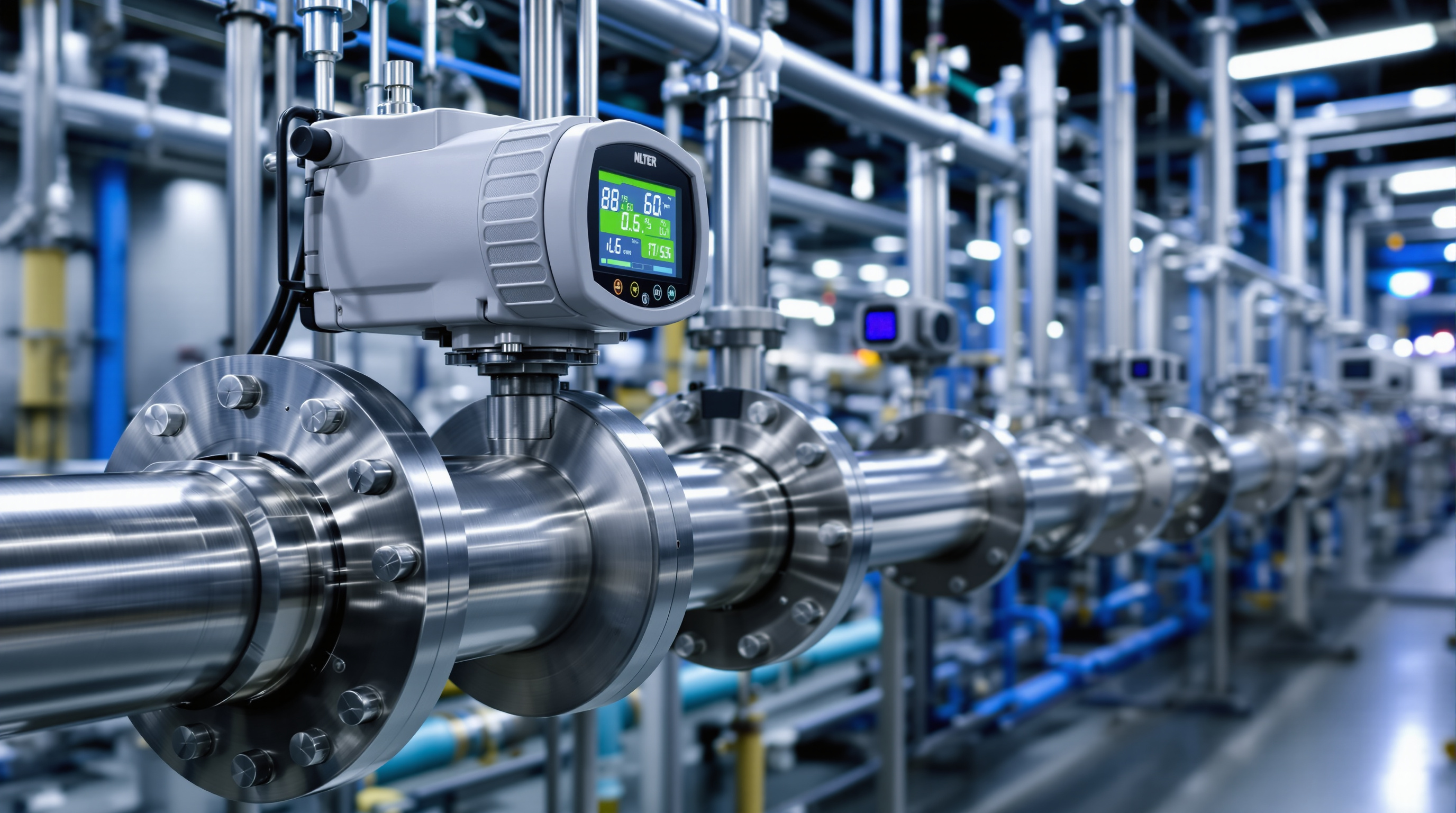
The signature technology here is the electromagnetic flow meter. Field coils generate a magnetic field across the pipe bore; conductive fluid flowing through it induces a voltage proportional to velocity, sensed by electrodes in the pipe wall. With no moving parts, no bore obstruction and no pressure drop, mag meters are the workhorse of water, wastewater, chemical and slurry measurement — the process fluids that make up the bulk of industrial flow.
Liners, Electrodes and Field Drive
What separates a good mag meter from a mediocre one is the engineering around the sensor: the liner material (PTFE, PFA, hard rubber, polyurethane or ceramic) chosen for the fluid's chemistry and abrasiveness; the electrode alloy (stainless, Hastelloy, tantalum, platinum) chosen for corrosion resistance; and the field-drive electronics that pulse the coils and extract a clean signal from millivolt-level noise. Families such as Optiflux span wafer, flanged and hygienic designs precisely to cover this range of duties.
Beyond Magnetic
Process instrument makers in this category typically also offer Coriolis mass meters, vortex meters for steam and gas, ultrasonic meters and variable-area meters — the full toolkit described on our flow meter types page. The common thread is measurement of demanding process fluids where reliability and diagnostics matter as much as headline accuracy.
Typical Applications
Municipal water and wastewater, chemical processing, mining slurries, pulp and paper, and food and beverage. A representative wafer-style mag meter is described on our Optiflux 1050 reference page. For the physics underneath, see how mag meters work; for accuracy and standards, see calibration and accuracy.
The induction principle behind these meters is also described in water-science references such as those published by the U.S. Geological Survey.