Independent technical reference. Not affiliated with, endorsed by, or a distributor for Macnaught. No product is offered; this page describes the meter's technology.
A 1-inch (DN25) oval-gear meter is a compact positive-displacement instrument for oils, diesel and chemicals — the size found on lubrication reels, small transfer lines and dosing skids. This page covers the technology at this size.
Small-Line Oval-Gear
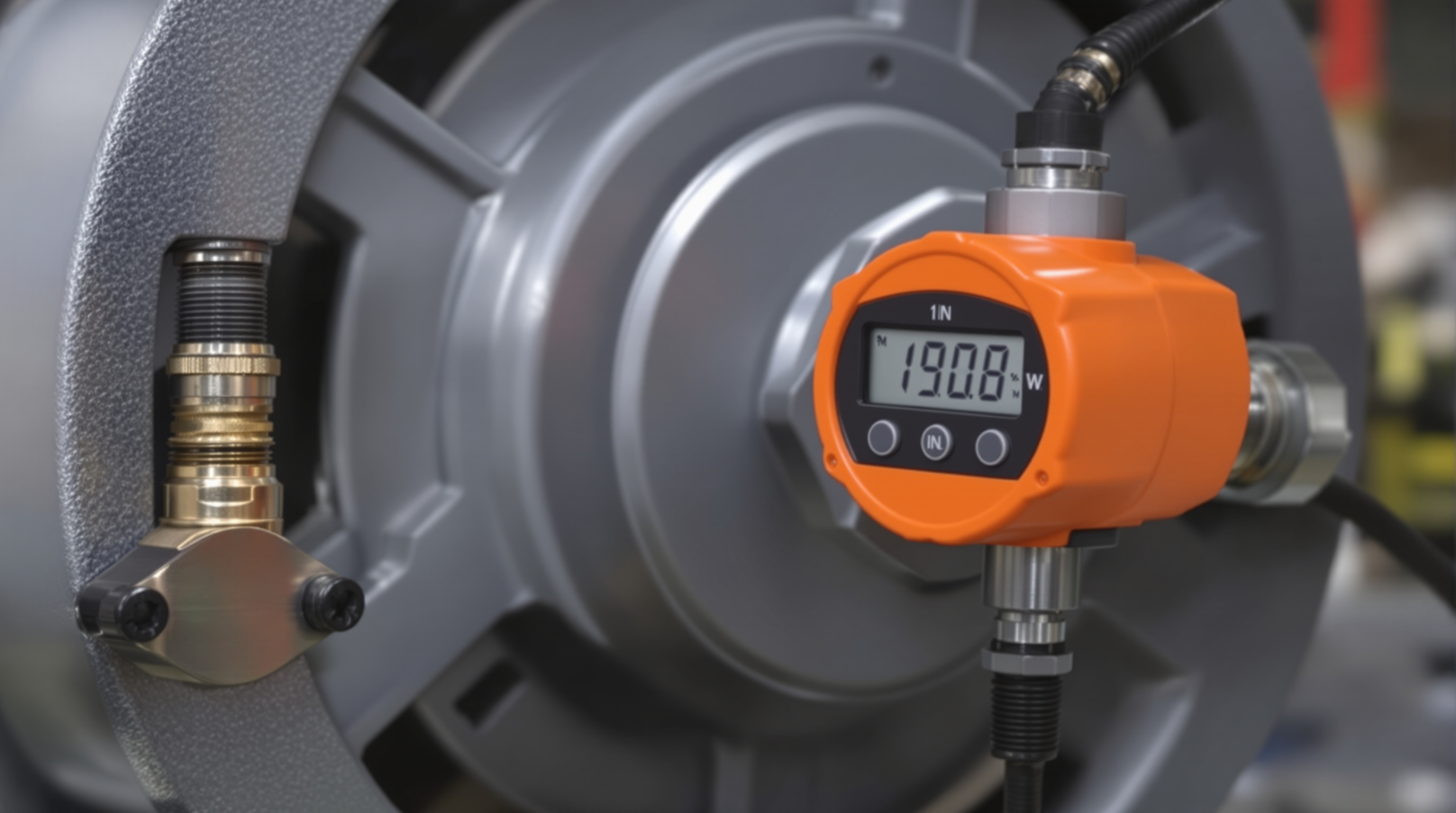
The DN25 oval-gear meter measures the fluid directly with two meshing rotors, giving positive-displacement accuracy of around ±0.5% of reading in a small, rugged package. It needs no straight pipe run, so it drops into tight plumbing, and it typically carries an integrated digital display with resettable and cumulative totals — handy for dispensing and batch work.
Duty and Fluids
At 1 inch, expect flows up to roughly the tens of litres per minute — well matched to diesel transfer, oil dispensing and additive dosing. Accuracy improves with viscosity, so the meter is very much at home on lubricating fluids. Choose body and seal materials to suit the chemical being metered: aluminium bodies suit fuels and oils, while stainless steel or engineered polymers handle more aggressive chemicals. Because the meter is small and self-contained, it is easy to move between jobs on a mobile reel or a portable transfer kit.
Care in Service
Fit an upstream strainer, exclude vapour, and size to the real flow so the meter runs comfortably mid-range rather than at its limits. A quick monthly check of the totaliser against a known volume — a drum of known capacity, for instance — is a simple way to catch drift before it becomes a billing or dosing error. Compare with the 2-inch DN50 size, see the Macnaught overview, or read the underlying PD principle.
For broader mechanical-measurement practice, the American Society of Mechanical Engineers (ASME) publishes useful independent guidance.